Banner Ribbon Decorative: A Versatile Tool for Creative and Professional Projects
Banner Ribbon Decorative is a creative design element that adds visual appeal to banners, signs, and promotional materials. It serves as both an aesthetic enhancement and a functional component in various applications, from event signage to digital marketing assets. When paired with high-quality file formats such as SVG, EPS, and PNG, it becomes an essential resource for creators using cutting machines like Cricut and Silhouette.
Understanding the Purpose and Design of Banner Ribbon Decorative
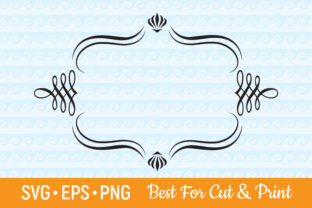
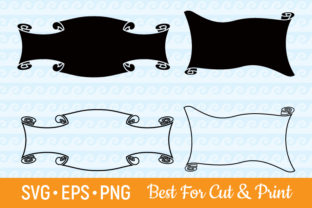
Banner Ribbon Decorative refers to stylized ribbon graphics used to frame or highlight text on banners, posters, and other printed or digital media. These ribbons can be simple or intricate, depending on the design intent. They are often used to draw attention to key messages, separate sections of content, or add a decorative flourish to otherwise plain layouts.
The value of Banner Ribbon Decorative lies in its ability to enhance visual hierarchy and guide the viewer’s eye. Whether you're designing for a trade show, a website header, or a social media graphic, incorporating well-designed ribbon elements can elevate the overall presentation.
Key Characteristics of High-Quality Banner Ribbon Decorative Files
When selecting Banner Ribbon Decorative assets, it's important to consider the file formats available. The ZIP file containing SVG, EPS, and PNG files offers versatility across different platforms and tools:
- SVG (Scalable Vector Graphics): Ideal for digital use and editing. These files maintain quality at any size, making them perfect for web banners, logos, and responsive designs.
- EPS (Encapsulated PostScript): Best suited for print production. EPS files ensure crisp lines and sharp edges when printed on large-scale materials like banners or signage.
- PNG (Portable Network Graphics): Offers transparent backgrounds and is widely supported across software and devices. This makes it useful for overlays, social media posts, and digital collages.
These file types cater to a wide range of users, including professionals who need precision and hobbyists looking for easy-to-use templates.
Who Benefits Most from Banner Ribbon Decorative?
Banner Ribbon Decorative is particularly valuable for individuals and businesses engaged in graphic design, marketing, and event planning. Here are some specific groups that may find these assets especially useful:
- Marketing Professionals: Use Banner Ribbon Decorative to create cohesive branding across multiple channels, ensuring a unified visual identity.
- Event Planners: Incorporate decorative ribbons into signage, table numbers, and invitations to enhance the aesthetics of events.
- Crafters and DIY Enthusiasts: Utilize these files in projects involving Cricut or Silhouette machines for custom banners, home decor, and party supplies.
- Bloggers and Content Creators: Add visual interest to blog headers, newsletter designs, and social media graphics without needing advanced design skills.
Each of these groups benefits from the flexibility and adaptability of Banner Ribbon Decorative files, which can be easily customized and integrated into existing workflows.
Practical Use Cases and Real-World Applications
In practice, Banner Ribbon Decorative can be applied in several ways:
- Highlighting Call-to-Action Buttons: On websites and landing pages, using a ribbon graphic above a CTA button can make it more noticeable and visually appealing.
- Creating Cohesive Branding: Businesses can use consistent ribbon styles across all their promotional materials to reinforce brand recognition.
- Enhancing Event Signage: At trade shows or conferences, decorative ribbons can be printed on banners to draw attention and create a polished look.
- Personalizing Crafts: For those using cutting machines, decorative ribbons can be cut out and attached to handmade cards, scrapbook pages, or greeting cards.
These real-world examples demonstrate how versatile and practical Banner Ribbon Decorative can be, regardless of the medium or platform.
Evaluating Quality, Usability, and Long-Term Value
When evaluating Banner Ribbon Decorative assets, several factors come into play. First, the quality of the design itself is crucial. A well-crafted ribbon should be clean, scalable, and free from unnecessary complexity. Poorly designed elements can detract from the professionalism of your work, even if they are technically usable.
Usability is another important consideration. The availability of multiple file formats ensures compatibility with various tools and software. Users working with vector-based programs like Adobe Illustrator will appreciate EPS and SVG files, while those focused on digital publishing might prefer PNGs for transparency and resolution.
Long-term value depends on how frequently these assets are used. If you're creating content regularly, investing in a collection of high-quality Banner Ribbon Decorative files can save time and money over time. They offer a reusable resource that can be adapted to different projects without the need for constant redesigning.
Limitations and Considerations
While Banner Ribbon Decorative offers many advantages, there are also some limitations to be aware of. For instance, not all designs will suit every project. Some ribbon styles may appear too ornate for minimalist layouts or too simple for complex designs. It's important to choose elements that complement rather than overwhelm the rest of the composition.
Additionally, while the included file formats cover most needs, users working with specialized software or printing techniques may require additional formats or customization. In such cases, it's worth exploring whether the asset can be modified or if supplementary resources are needed.
Finally, it's important to ensure that the use of these assets aligns with any licensing agreements or copyright restrictions. Always verify that you have the right to use the files for your intended purpose, especially in commercial contexts.
Overall, Banner Ribbon Decorative provides a valuable tool for enhancing visual communication across a variety of mediums. Its flexibility, quality, and adaptability make it a worthwhile addition to any designer's or creator's toolkit. By understanding its strengths and limitations, you can make informed decisions about how best to incorporate it into your workflow and projects.