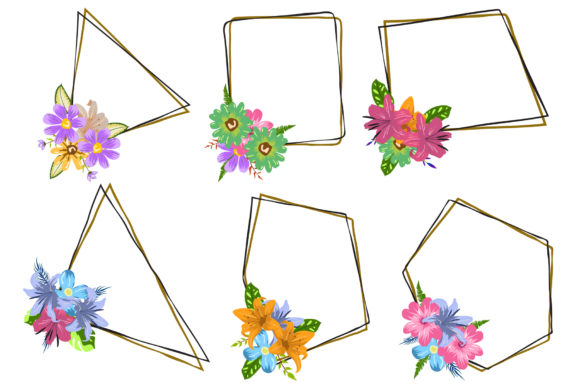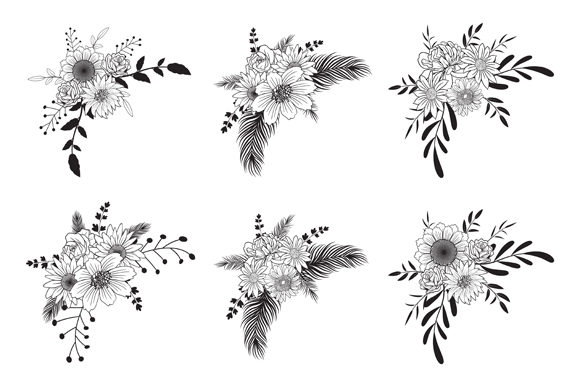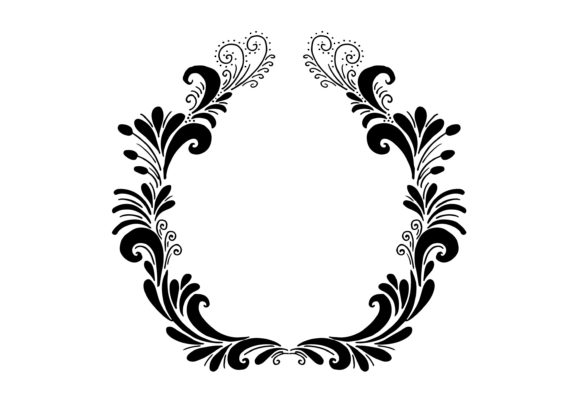
Decorative Frame Composition with Flower
Decorative Frame Composition with Flower is a design approach that integrates floral motifs and ornate elements into framing compositions, often used in graphic design, illustration, publishing, and digital media. This technique adds visual interest and thematic consistency to layouts, illustrations, and printed materials. Whether you're designing a book cover, creating a social media graphic, or enhancing a presentation, Decorative Frame Composition with Flower offers a way to elevate the aesthetic appeal of your work while maintaining a cohesive visual identity.
The use of flowers and ornate doodle-style elements in frames can serve multiple purposes. It can act as a border around text or images, provide a background for a central element, or function as a standalone decorative feature within a larger composition. These frames are especially useful in contexts where visual storytelling or thematic branding plays a key role, such as in editorial design, branding materials, or educational content.
Understanding Decorative Frame Composition with Flower
At its core, Decorative Frame Composition with Flower involves combining floral patterns with ornate details in a structured yet artistic manner. The process typically begins with defining the purpose of the frame—whether it's to highlight content, add texture, or reinforce a specific theme. Once the goal is clear, designers can choose from various styles, including traditional floral borders, modern minimalist interpretations, or intricate doodle-style elements that blend fine lines and flourishes.
Floral designs can be sourced from a variety of places, including stock image libraries, hand-drawn sketches, or vector-based templates. Ornate elements may include swirls, vines, leaves, and other decorative motifs that complement the floral theme. When combined effectively, these components create a visually engaging frame that enhances the overall composition without overwhelming the main content.
One of the key advantages of using Decorative Frame Composition with Flower is its versatility. It can be adapted to different mediums and formats, from print to digital. For instance, in digital design, these frames can be created using vector graphics software like Adobe Illustrator or Inkscape, allowing for easy scaling and customization. In print design, they can be incorporated into layouts using tools like Adobe InDesign or Photoshop.
Integrating Decorative Frame Composition with Flower into Workflows
Decorative Frame Composition with Flower can be integrated at various stages of a creative project. Before starting a design task, it's helpful to consider how the frame will interact with the rest of the composition. Will it be a subtle accent or a bold statement? Will it need to match an existing color palette or brand guidelines?
During the design process, the frame can be used to guide the viewer's eye, separate sections of content, or add a sense of rhythm and flow to a layout. For example, in a magazine layout, a floral border might be used to frame a photograph or pull quote, drawing attention to the content while maintaining a cohesive look throughout the publication.
After the initial design is complete, the frame can be refined or adjusted based on feedback. This might involve tweaking the color scheme, adjusting the scale of the floral elements, or simplifying the ornate details to ensure clarity and readability. It's also important to test the frame across different devices and screen sizes, especially if the design will be viewed digitally.
Tools and Resources for Creating Decorative Frames
Creating effective Decorative Frame Composition with Flower requires access to the right tools and resources. Here are some options to consider:
- Vector Graphics Software: Tools like Adobe Illustrator, Inkscape, or CorelDRAW allow for precise control over shapes, colors, and line weights, making them ideal for creating detailed floral and ornate frames.
- Stock Image Libraries: Websites like Shutterstock, Adobe Stock, or Freepik offer a wide range of pre-designed frames and floral elements that can be customized to fit your needs.
- Brush Packs and Stencils: Many design platforms offer brush packs specifically for floral and ornate designs. These can be used in programs like Procreate, Photoshop, or Illustrator to quickly add decorative elements to a composition.
- Hand-Drawn Sketches: If you prefer a more organic feel, hand-drawn sketches can be scanned and digitized for use in digital projects. This method allows for greater personalization and creativity.
When selecting tools, it's important to consider factors such as compatibility with your workflow, ease of use, and the level of detail required. For example, if you're working on a large-scale print project, vector-based tools may be more appropriate due to their scalability and resolution independence.
Practical Implementation Tips
To ensure successful implementation of Decorative Frame Composition with Flower, consider the following tips:
- Define the Purpose: Before creating a frame, clearly define its role in the composition. Will it be a border, a background, or a standalone element?
- Match the Theme: Ensure that the floral and ornate elements align with the overall theme of the project. For example, a vintage-themed poster might benefit from more traditional floral patterns, while a modern design could use simplified, geometric interpretations.
- Balance and Proportion: Pay attention to balance and proportion when placing the frame within the composition. A well-balanced frame should enhance the content rather than distract from it.
- Test Across Formats: Test the frame across different formats and devices to ensure that it looks good in both print and digital environments. This is particularly important for projects that will be viewed on multiple platforms.
- Iterate and Refine: Don't be afraid to iterate and refine the frame based on feedback. Small adjustments can make a big difference in the final outcome.
By following these tips, you can create Decorative Frame Composition with Flower that not only looks great but also functions effectively within your overall design strategy.
Use Cases and Real-World Applications
Decorative Frame Composition with Flower has a wide range of applications across various industries. Here are a few examples of how it can be used in real-world scenarios:
- Book Covers: Floral frames can be used to create an elegant and inviting cover that draws readers in. They can also help reinforce the theme of the book, whether it's a romance novel, a botanical guide, or a historical fiction piece.
- Social Media Graphics: Social media platforms like Instagram, Pinterest, and Facebook often benefit from visually appealing graphics. A well-designed floral frame can help stand out in a crowded feed while reinforcing brand identity.
- Branding Materials: Businesses can use Decorative Frame Composition with Flower in their branding materials, such as logos, packaging, and marketing collateral. This helps create a consistent and memorable visual identity.
- Educational Content: In educational materials, such as textbooks or online courses, floral frames can be used to highlight key points, separate sections of content, or add a touch of visual interest to otherwise dense text.
- Personal Projects: Hobbyists and creatives can use Decorative Frame Composition with Flower in personal projects, such as scrapbooking, greeting cards, or DIY home decor. This allows for greater creative expression and personalization.
No matter the application, the key is to use Decorative Frame Composition with Flower in a way that enhances the overall message or purpose of the project. Whether you're working on a professional design or a personal project, this technique can add value and visual appeal to your work.
Incorporating Decorative Frame Composition with Flower into your workflow requires careful planning, execution, and refinement. By understanding its purpose, choosing the right tools, and applying practical implementation tips, you can create frames that are both beautiful and functional. Whether you're a designer, educator, marketer, or hobbyist, this technique offers a versatile and impactful way to enhance your visual communication.