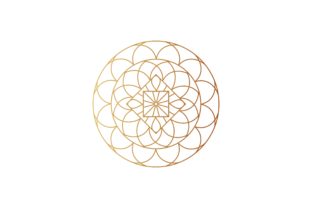
Exploring the Versatility of Mandala Decorative Element Illustration in Modern Design
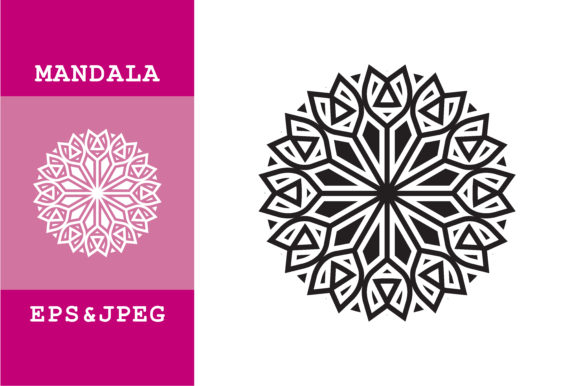
The Mandala Decorative Element Illustration has emerged as a powerful and versatile design asset, offering a unique blend of artistic beauty and functional utility. These intricate patterns, rooted in ancient symbolism, have found new life in contemporary creative fields, from digital art to print media. With the availability of both JPG and EPS file formats, this resource is easily adaptable across a wide range of software platforms, making it accessible to professionals, hobbyists, and educators alike.
The Artistic Foundations of Mandala Decorative Elements
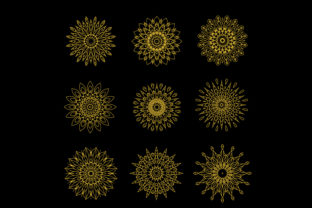
Mandala designs are traditionally circular, representing unity, wholeness, and spiritual harmony. Their geometric complexity and symmetrical balance make them visually compelling and deeply meaningful. When transformed into decorative elements, these illustrations serve as more than just aesthetic embellishments—they can convey themes of mindfulness, focus, and inner peace.
These Mandala Decorative Element Illustrations often incorporate floral motifs, abstract shapes, and intricate line work, allowing for a broad spectrum of visual expression. Whether used in background textures or standalone graphics, they add depth and character to any project.
Cultural Significance and Modern Relevance
Originating from Sanskrit, the word "mandala" translates to "circle," symbolizing the universe and the interconnectedness of all things. In modern design contexts, this cultural richness adds an extra layer of meaning to the use of Mandala Decorative Element Illustrations. They are not only visually striking but also carry a sense of tradition and history that resonates with many audiences.
Designers and artists who integrate these elements into their work often find that they evoke emotional responses and create a stronger connection with viewers. This makes them particularly effective in branding, educational materials, and wellness-related content where symbolism plays a key role.
Practical Applications Across Industries
The versatility of Mandala Decorative Element Illustrations extends across multiple industries. From interior design to graphic design, these illustrations offer a unique way to enhance visual appeal while maintaining a sense of coherence and purpose.
- Interior Design: Used as wall art or patterned textiles, Mandala Decorative Element Illustrations bring a sense of calm and sophistication to living spaces.
- Graphic Design: Ideal for creating logos, packaging, and promotional materials, these illustrations provide a distinctive visual identity that stands out in crowded markets.
- Educational Materials: Incorporating mandalas into textbooks, presentations, and learning tools can aid in concentration and retention, especially when dealing with complex subjects.
- Wellness and Mindfulness: Often used in meditation apps, yoga studios, and mental health resources, these illustrations support relaxation and reflection.
Software Compatibility and File Types
One of the most practical aspects of Mandala Decorative Element Illustrations is their compatibility with various design software. The inclusion of both JPG and EPS file types ensures that users can choose the format that best suits their needs.
JPG files are ideal for web-based projects, social media posts, and digital displays due to their smaller file size and widespread support. On the other hand, EPS files are preferred for high-resolution printing, such as in magazines, posters, and product packaging, where clarity and detail are paramount.
This dual-format approach allows for seamless integration into workflows, whether you're working on a quick online graphic or preparing for professional-grade print production.
Designing with Mandala Decorative Elements: Tips and Considerations
When incorporating Mandala Decorative Element Illustrations into your projects, it's important to consider how they interact with the overall design. Here are some tips to help maximize their impact:
- Balance and Contrast: Use mandalas to create visual interest without overwhelming the viewer. Pair them with simpler elements to maintain a harmonious composition.
- Color Schemes: Choose color palettes that complement the mandala’s existing hues or experiment with contrasting colors to create a bold statement.
- Layering Techniques: Experiment with layering mandalas over different backgrounds or textures to add depth and dimension to your designs.
- Scalability: Always ensure that the illustration remains clear and detailed at any scale, especially when using it for large-format prints or digital banners.
Case Studies and Real-World Examples
In the world of fashion design, Mandala Decorative Element Illustrations have been used to create eye-catching patterns on clothing and accessories. A notable example includes a collection by a renowned designer who incorporated mandalas into fabric prints, resulting in a series of garments that were both stylish and symbolic.
In the realm of digital marketing, a wellness brand utilized mandala illustrations in their website design and social media campaigns. The result was a cohesive brand image that aligned with their message of mindfulness and self-care, leading to increased engagement and customer loyalty.
These examples highlight how Mandala Decorative Element Illustrations can be effectively integrated into diverse design contexts, enhancing both aesthetics and functionality.
Future Trends and Innovations
As technology continues to evolve, so does the potential for Mandala Decorative Element Illustrations. Emerging trends suggest that these designs will become even more interactive, with possibilities for augmented reality (AR) applications and dynamic animations.
Additionally, there is growing interest in personalized mandalas, where individuals can customize their own designs based on specific themes, colors, or symbols. This trend reflects a broader movement toward individuality and personal expression in design.
With advancements in AI-generated art, we may soon see mandalas being created dynamically based on user preferences, opening up new avenues for creativity and customization.
Conclusion
The Mandala Decorative Element Illustration is more than just a design element—it is a bridge between tradition and innovation, offering endless possibilities for creative exploration. Whether you're a professional designer, an educator, or a hobbyist, these illustrations provide a valuable tool for enhancing your work with both visual appeal and meaningful symbolism.