Frames, Borders, and Decorative Elements: The Ultimate Guide for Creative Projects
Whether you're designing a scrapbook, creating custom stickers, or preparing materials for a special event, the right frames, borders, and decorative elements can make all the difference in your final project. These design components not only enhance the visual appeal of your work but also help organize content and convey messages more effectively. In this article, we’ll explore what frames, borders, and decorative elements are, why they matter, and how to use them in creative projects with tools like Cricut and Silhouette cutting machines.
What Are Frames, Borders, and Decorative Elements?
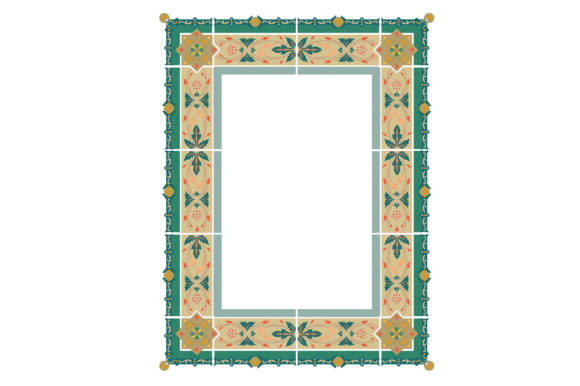
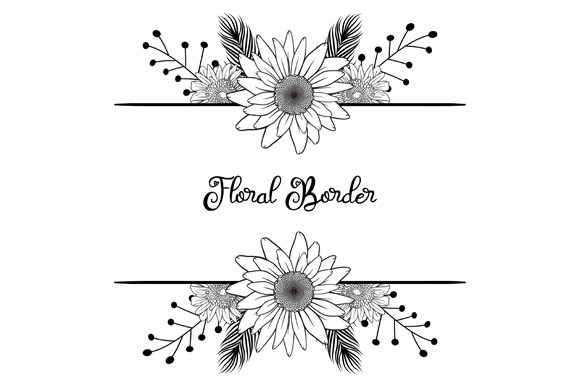
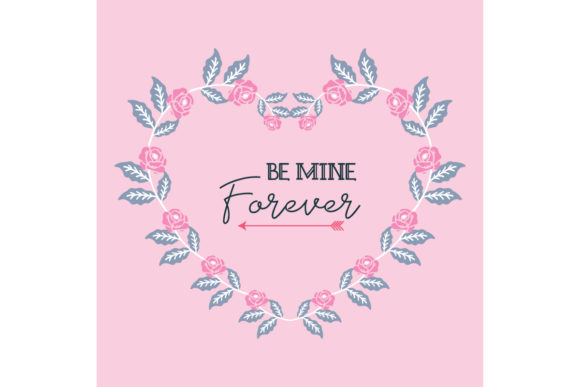
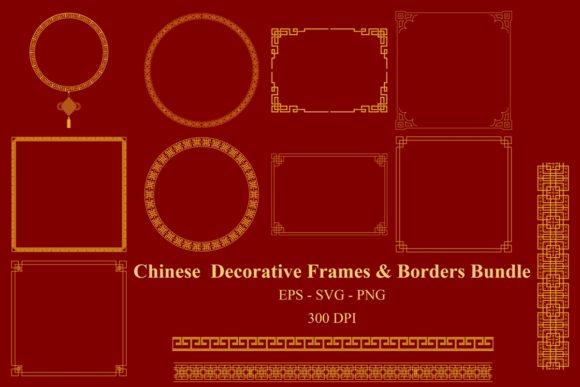
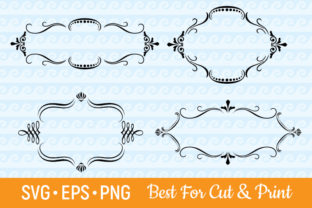
Frames are typically used to surround an image, text, or other content, providing a visual boundary that draws attention to the subject. Borders are similar but often thinner and may be used to separate sections of a page or add subtle design interest. Decorative elements include any additional embellishments such as patterns, icons, or ornamental shapes that add flair to a design.
Together, these elements form the foundation of many graphic design projects. They help create structure, guide the viewer’s eye, and express creativity through visual hierarchy.
The Role of Frames and Borders in Design
Frames and borders serve both functional and aesthetic purposes. Functionally, they help distinguish different parts of a layout and keep information organized. Aesthetically, they contribute to the overall look and feel of a design. For example, using a frame around a photo can highlight it, while a border around text can help it stand out on a busy background.
When working with digital design software or cutting machines like Cricut and Silhouette, having access to high-quality frames and borders in various formats is essential. This is where downloadable files come into play.
Why Use SVG, EPS, PNG Files for Your Projects?
If you're involved in crafting, scrapbooking, or DIY projects, you’ve probably heard of file formats like SVG, EPS, and PNG. These are among the most popular file types used in digital design and cutting machine projects. Let's take a closer look at each one:
- SVG (Scalable Vector Graphics): These are vector-based files that scale without losing quality. They’re perfect for intricate designs that need to be resized frequently.
- EPS (Encapsulated PostScript): Another vector format, EPS is widely used in professional printing and offers high resolution and scalability.
- PNG (Portable Network Graphics): A raster format that supports transparency, PNGs are great for images that need to blend seamlessly with backgrounds.
By downloading a ZIP file containing these file formats, you gain access to a versatile collection of frames, borders, and decorative elements that can be used across multiple platforms and devices.
How to Choose the Right File Format for Your Project
Selecting the appropriate file format depends on your specific needs and the tools you're using. If you're planning to print your design, SVG and EPS files are ideal because they maintain clarity at any size. On the other hand, if you're working on a digital project that requires transparent backgrounds, PNG files might be the best choice.
For users of cutting machines like Cricut and Silhouette, SVG files are particularly useful because they can be easily imported into design software and cut with precision.
Frames, Borders, and Decorative Elements in Modern Creativity
In today's fast-paced world, creativity is no longer confined to traditional art forms. From social media graphics to home decor, frames, borders, and decorative elements have found their way into everyday life. Here are a few examples of how they're being used creatively:
- Home Decor: Many people use decorative borders and frames to create custom wall art or unique furniture pieces.
- Event Planning: Event planners often use themed frames and borders to design invitations, signage, and banners.
- Education: Teachers use borders and frames to create visually engaging lesson plans and classroom decorations.
- Business: Businesses incorporate decorative elements into marketing materials to make their brand stand out.
No matter the application, these design elements offer endless possibilities for personalization and expression.
Common Misconceptions About Frames and Borders
One common misconception is that frames and borders are only for decorative purposes. While they do add visual appeal, they also serve important structural functions in design. Another misconception is that using too many frames or borders can overwhelm a design. In reality, when used thoughtfully, they can enhance the overall composition.
It's also important to remember that not all frames and borders are created equal. High-quality designs are more likely to produce professional results, especially when working with cutting machines that require precise measurements and clean edges.
Getting Started with Frames, Borders, and Decorative Elements
If you're new to using frames, borders, and decorative elements in your projects, here are a few tips to get started:
- Start Simple: Begin with basic frames and borders before moving on to more complex designs.
- Experiment with Layouts: Try different arrangements to see what works best for your project.
- Use Quality Files: Always choose high-resolution files to ensure your designs look sharp and professional.
- Practice Regularly: Like any skill, using frames and borders effectively takes practice and experimentation.
With time and experience, you'll develop a keen eye for design and learn how to use these elements to elevate your creative projects.
Where to Find the Best Frames, Borders, and Decorative Elements
There are many online resources where you can find a wide variety of frames, borders, and decorative elements. Some websites offer free downloads, while others provide premium collections that include SVG, EPS, and PNG files. When choosing a resource, look for sites that offer clear licensing terms and high-quality designs suitable for your intended use.
Many of these resources also provide ZIP files that contain multiple file formats, making it easy to use the same design across different platforms and tools.
Conclusion: Elevate Your Projects with Frames, Borders, and Decorative Elements
Frames, borders, and decorative elements are more than just aesthetic additions—they are powerful tools that can transform your creative projects. Whether you're working on a simple scrapbook page or a complex graphic design, these elements help bring your ideas to life in a visually compelling way.
By using high-quality SVG, EPS, and PNG files, you can ensure that your designs look professional and are compatible with a wide range of tools, including Cricut and Silhouette cutting machines. As you continue to explore the world of design, remember that the right frames and borders can make all the difference in the final outcome.