Mandala 130: A Versatile Design Asset for Creative and Professional Workflows
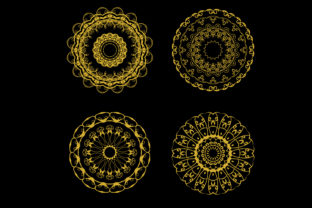
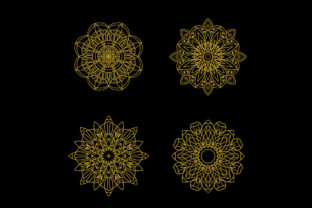
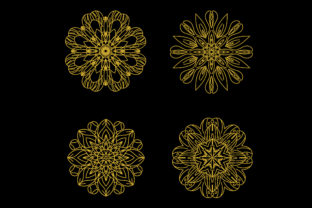
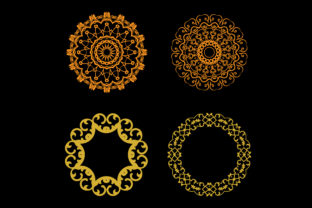
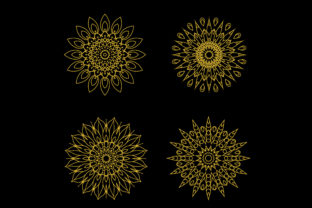
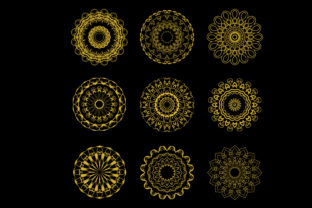
Mandala 130 is a unique design element that bridges the gap between artistic expression and practical application. As a vector-based logotype icon, it serves as more than just a visual symbol—it’s a versatile tool that can be adapted to various contexts, from branding to decorative art. Its gold color palette offers a classic and elegant aesthetic, but the design also comes in other colors, making it adaptable to different needs and preferences.
Understanding Mandala 130
Mandala 130 is not merely an ornamental piece; it is a carefully crafted design that reflects symmetry, balance, and spiritual significance. Originating from ancient traditions, mandalas are often used in meditation and prayer practices. However, in modern times, they have found their way into commercial and creative applications, serving as logos, wall art, or even functional items like handkerchiefs and scarves.
The bundling of Mandala 130 includes a vector format, which ensures scalability without loss of quality. This makes it ideal for both digital and print use. Whether you're designing a company logo, creating a decorative rug, or looking for a unique pattern for glassware, Mandala 130 provides a high-quality, original design that is free from external influences.
Integration into Creative and Business Workflows
For professionals and creatives, integrating Mandala 130 into existing workflows can enhance both efficiency and aesthetics. Designers can use it as a base for custom illustrations, while marketers might incorporate it into brand materials for a distinctive look. Educators could use it as a visual aid in teaching about cultural symbols or geometric patterns.
Entrepreneurs and small business owners may find Mandala 130 particularly useful when developing branding elements. It can serve as a focal point for logos, packaging designs, or promotional materials. The versatility of this design allows it to be applied across multiple platforms, including websites, social media, and physical products.
Practical Implementation Tips
- Preparation: Before using Mandala 130, consider the context and purpose. Determine whether you need it in a single color or if you want to experiment with different hues.
- Compatibility: Ensure that the vector format is compatible with your design software. Most vector files can be opened in Adobe Illustrator, Inkscape, or similar programs.
- Usability: Take advantage of the scalability feature to adjust the size according to your needs, whether it's for a small scarf or a large wall decoration.
- Organization: Keep all versions of Mandala 130 organized in a dedicated folder or design library for easy access during projects.
Use Cases Across Industries
Mandala 130 can be applied in various industries, each benefiting from its unique characteristics. For instance, in the fashion industry, it can be printed on textiles such as scarves, handkerchiefs, or even clothing patterns. In interior design, it can be used as a decorative element on carpets, wall art, or glass installations.
In the food and beverage sector, Mandala 130 can be incorporated into plate designs, packaging, or promotional materials. Its intricate details add an artistic touch that can elevate the visual appeal of products.
Businesses looking to create a strong brand identity can use Mandala 130 as part of their logo design. Its symbolic nature can convey values such as harmony, spirituality, or innovation, depending on how it's interpreted and presented.
Workflow Examples
- Design Phase: Start by selecting the appropriate color variation of Mandala 130 that aligns with your brand’s identity. Use it as a base for further customization.
- Development Phase: Integrate Mandala 130 into your project assets. This could involve applying it to product mockups, website banners, or marketing collateral.
- Execution Phase: Once finalized, produce the design in the required format and ensure consistency across all platforms and mediums.
Long-Term Use and Quality Control
When incorporating Mandala 130 into long-term projects, it's essential to maintain quality control. Regularly review the design's usage across different platforms to ensure it remains consistent and visually appealing. This is especially important for brands that rely on cohesive visual identities.
Additionally, consider the durability of the material on which Mandala 130 is applied. For items like rugs or carpets, choose high-quality fabrics that can withstand frequent use. For digital applications, ensure that the file format remains compatible with future updates and changes in technology.
As a designer or creator, maintaining the integrity of Mandala 130’s original form is crucial. Since it is guaranteed to be free from external interference, you can confidently use it as a foundation for your creative work without worrying about copyright issues or unauthorized alterations.
Conclusion
Mandala 130 is more than just a design asset—it's a powerful tool that can enhance both creative and professional workflows. Whether you're an entrepreneur looking to build a strong brand identity or a designer seeking to add unique elements to your projects, Mandala 130 offers a versatile and high-quality solution.
By integrating it into your workflow thoughtfully and strategically, you can unlock new possibilities for innovation and expression. Its adaptability, combined with its originality, makes it a valuable addition to any creative or business endeavor.