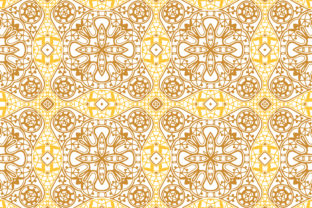
Abstract Ornament Pattern Decorative: Strategic Design for Visual Impact and Branding
Abstract ornament pattern decorative is more than just an aesthetic choice—it's a strategic tool that can enhance visual communication, reinforce brand identity, and support creative projects across multiple industries. Whether you're designing packaging, creating digital assets, or developing marketing materials, understanding how to use abstract ornament patterns effectively can elevate your work from generic to memorable.
The Strategic Value of Abstract Ornament Patterns
Abstract ornament patterns are stylized, non-representational designs that convey emotion, energy, and intent without literal imagery. These patterns are often used in branding, interior design, textiles, and digital media to add depth, texture, and visual interest. When applied with intention, they can communicate a brand’s personality, evoke specific emotions, and create a cohesive visual language across different platforms.
For professionals and entrepreneurs, the thoughtful integration of abstract ornament patterns into design systems can lead to stronger brand recognition, improved customer engagement, and more effective storytelling. Unlike traditional ornamental designs that rely on recognizable motifs, abstract patterns offer flexibility, allowing them to adapt to various contexts while maintaining a consistent visual tone.
Why Use Abstract Ornament Patterns?
- Visual Differentiation: In a crowded market, standing out visually is crucial. Abstract ornament patterns can help brands carve a unique identity by offering a distinctive visual signature.
- Emotional Resonance: The right pattern can evoke feelings of sophistication, innovation, or playfulness, depending on its structure and color palette.
- Cultural Neutrality: Because they are not tied to specific cultural symbols, abstract patterns are versatile and can be used across global markets without unintended connotations.
- Scalability: These patterns can be adapted for different sizes and mediums, making them ideal for print, web, and product design.
Strategic Applications of Abstract Ornament Patterns
The value of abstract ornament patterns lies in their ability to be both functional and expressive. Here are some practical scenarios where they can be leveraged effectively:
1. Brand Identity Development
Incorporating abstract ornament patterns into logos, packaging, and promotional materials can create a strong, unified brand image. For example, a tech startup might use minimalist geometric patterns to communicate innovation and precision, while a luxury fashion brand could opt for intricate, fluid designs to reflect elegance and exclusivity.
Tip: Ensure the pattern complements the brand’s core values and target audience. A mismatch between the pattern and the brand message can confuse consumers and dilute the brand’s impact.
2. Interior Design and Spatial Planning
Abstract ornament patterns can transform spaces by adding visual interest without overwhelming the environment. They can be used in wall art, furniture upholstery, or as accents in flooring and decor. Their versatility allows them to blend seamlessly with modern, traditional, or eclectic interiors.
Consideration: Balance is key. Too much pattern can make a space feel cluttered, while too little may leave it feeling flat. Start with subtle applications and build from there.
3. Digital Media and Web Design
In the digital realm, abstract ornament patterns serve as background elements, dividers, or overlays that enhance user experience without distracting from content. They can be used to segment sections of a website, highlight important information, or create a cohesive look across pages.
Practical Example: A blog about wellness might use soft, flowing abstract patterns to create a calming atmosphere, while a fintech platform might use structured, angular patterns to convey trust and reliability.
Planning and Implementation Strategies
To ensure that abstract ornament patterns are used strategically rather than randomly, consider the following planning steps:
- Define Objectives: What do you want the pattern to achieve? Is it to enhance brand visibility, improve aesthetics, or support a specific theme?
- Understand the Audience: Who will see the design? Tailor the complexity and style of the pattern to suit their preferences and expectations.
- Test Across Mediums: How does the pattern look in print versus digital formats? Will it scale well for large banners or small icons?
- Ensure Consistency: Maintain a cohesive visual language across all touchpoints to build brand recognition and trust.
Warning: Without clear goals, abstract ornament patterns can become a distraction rather than an asset. Always align design choices with business objectives and audience needs.
Choosing the Right Abstract Ornament Pattern
Selecting the appropriate pattern involves considering several factors:
- Color Palette: Colors influence perception and emotion. Choose hues that align with your brand’s identity and the intended message.
- Pattern Complexity: Simple patterns are better suited for minimalistic designs, while intricate ones can add depth to more detailed compositions.
- Repetition and Rhythm: Patterns with a clear rhythm can guide the eye and create a sense of movement or flow.
- Contrast and Legibility: Ensure that text or other elements remain legible when paired with a pattern. Avoid high-contrast combinations that may cause visual fatigue.
Potential Risks and Mitigation Strategies
While abstract ornament patterns offer many benefits, there are also potential pitfalls to be aware of:
Risk 1: Overuse or Misuse
Using too many patterns or using them inappropriately can result in visual clutter and confusion. This is especially true in digital interfaces where usability should always take precedence over aesthetics.
Mitigation: Limit the number of patterns used in any given project and ensure they serve a clear purpose. Prioritize simplicity and clarity in design decisions.
Risk 2: Cultural Misinterpretation
Although abstract patterns are generally culture-neutral, certain shapes or colors may carry unintended meanings in specific regions or communities.
Mitigation: Conduct research on the target audience and consult with local experts if necessary. Opt for universally appealing designs whenever possible.
Risk 3: Lack of Originality
Overusing popular or clichéd patterns can make a brand appear unoriginal or derivative. This can undermine efforts to stand out in a competitive market.
Mitigation: Invest in custom-designed patterns that reflect your brand’s unique identity. Work with professional designers who understand the nuances of abstract ornamentation.
Conclusion: Making Informed Decisions with Abstract Ornament Patterns
Abstract ornament pattern decorative is a powerful design element that, when used thoughtfully, can significantly enhance visual communication and brand identity. By aligning pattern choices with strategic goals, understanding audience preferences, and ensuring consistency across all touchpoints, professionals can leverage these patterns to create impactful, memorable experiences.
Whether you’re an entrepreneur looking to refine your brand’s visual identity, a marketer aiming to boost engagement, or a designer seeking creative inspiration, the intentional use of abstract ornament patterns can help you achieve better results and drive long-term success.