Decorative of Compas Drawing: A Strategic Tool for Modern Design and Creativity
The Decorative of Compas Drawing is a unique artistic technique that blends geometric precision with abstract expression. It involves using compasses to create intricate, symmetrical patterns that can be adapted into various visual formats such as illustrations, textiles, wallpapers, and more. This method is particularly appealing in modern design due to its clean lines, monochrome aesthetic, and ability to convey sophistication and minimalism.
Understanding the Decorative of Compas Drawing
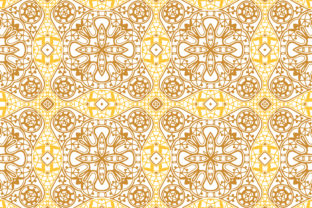
At its core, the Decorative of Compas Drawing is about creating visual harmony through circular forms. The use of a compass allows designers to produce consistent shapes and patterns that are both mathematically precise and visually engaging. These designs often feature polar shapes—forms radiating from a central point—which can be used to create a sense of movement or balance within a composition.
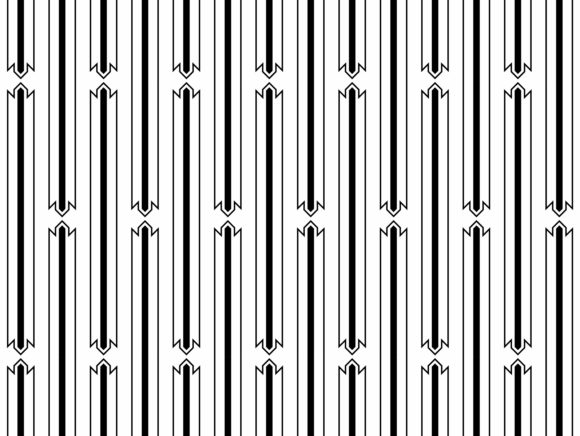
This technique is especially useful for those seeking to incorporate modern, hipster-style visuals into their projects. The monochrome concept, typically white on black backgrounds, ensures that the focus remains on the structure and form rather than color distraction. This makes it ideal for use in branding, packaging, and digital media where clarity and simplicity are key.
Strategic Uses of Decorative of Compas Drawing
When considering the strategic application of Decorative of Compas Drawing, it's essential to align it with your specific goals. Whether you're an entrepreneur looking to enhance your brand identity or a marketer aiming to create eye-catching content, this technique can serve as a powerful tool.
For instance, using Decorative of Compas Drawing in your website background can help establish a professional yet creative atmosphere. Its isolated nature allows it to complement other design elements without overwhelming them. Additionally, incorporating this style into print materials like business cards or brochures can elevate the perceived value of your brand.
Designers and creators can also benefit from exploring how to integrate these patterns into textiles or wallpaper. The versatility of the Decorative of Compas Drawing means it can be scaled up or down to suit different mediums, making it a valuable asset in any designer's toolkit.
Planning Your Use of Decorative of Compas Drawing
Before diving into the Decorative of Compas Drawing, consider your intended use case. Are you designing for print or digital? Will the pattern be part of a larger composition or stand alone? Answering these questions will guide your approach and ensure that the final result meets your expectations.
- Define Purpose: Clearly outline what you want to achieve with the Decorative of Compas Drawing. Is it for branding, illustration, or background design?
- Choose Context: Determine where the design will be used. This will influence the scale, complexity, and color scheme.
- Consider Audience: Think about who will view the design. Tailor the intricacy and style to resonate with your target demographic.
By planning strategically, you can avoid common pitfalls such as overcomplication or misalignment with your brand's visual language. This thoughtful approach ensures that the Decorative of Compas Drawing serves its intended purpose effectively.
Practical Applications and Examples
One practical example of using Decorative of Compas Drawing is in the creation of modern textiles. By designing polar shapes on a white-on-black background, you can achieve a minimalist yet striking look that appeals to contemporary tastes. This can be applied to clothing, home decor, or even corporate uniforms.
Another use case is in digital backgrounds for websites or apps. The abstract nature of the Decorative of Compas Drawing can add depth and interest without distracting from the main content. It’s particularly effective when used sparingly, allowing the design to breathe while still making a visual impact.
For illustrators and artists, this technique can be used to create unique textures and patterns that can be layered or combined with other elements. The isolation of the design allows for greater flexibility in integration with other visual components.
When to Avoid Using Decorative of Compas Drawing
While the Decorative of Compas Drawing offers numerous benefits, there are instances where it may not be the best choice. For example, if your project requires vibrant colors or a more dynamic feel, this monochrome approach might not be suitable. Similarly, if the design needs to be highly detailed or intricate, the simplicity of the Decorative of Compas Drawing could limit the overall effect.
It’s also important to consider the context in which the design will be viewed. In environments where high contrast or bold visuals are necessary, the subtlety of the Decorative of Compas Drawing might not be effective. Always test the design in its intended setting before finalizing it.
Risks and Considerations
Using the Decorative of Compas Drawing without clear goals or context can lead to ineffective or mismatched results. Without a defined purpose, the design may appear random or lack cohesion, which can detract from the overall message or brand identity.
Additionally, relying too heavily on this technique without variation can make your designs feel repetitive or unoriginal. It's crucial to balance the use of Decorative of Compas Drawing with other design elements to maintain visual interest and diversity.
To mitigate these risks, always start with a clear plan and purpose. Experiment with different applications and observe how they perform in various contexts. This iterative process will help you refine your approach and maximize the effectiveness of the Decorative of Compas Drawing.
Decision-Making Guidance
When deciding whether to use Decorative of Compas Drawing, ask yourself the following questions:
- Does this design align with my brand's visual identity?
- Will it enhance the user experience or communicate the intended message effectively?
- Is there a specific audience or context for which this design is intended?
- Can I adapt this design across different mediums and scales?
Answering these questions will help you make informed decisions and ensure that the Decorative of Compas Drawing serves its intended function in your project.
In conclusion, the Decorative of Compas Drawing is a versatile and strategic design element that can enhance a wide range of creative projects. By understanding its potential uses, planning thoughtfully, and applying it intentionally, you can leverage this technique to achieve better results and support your long-term goals.