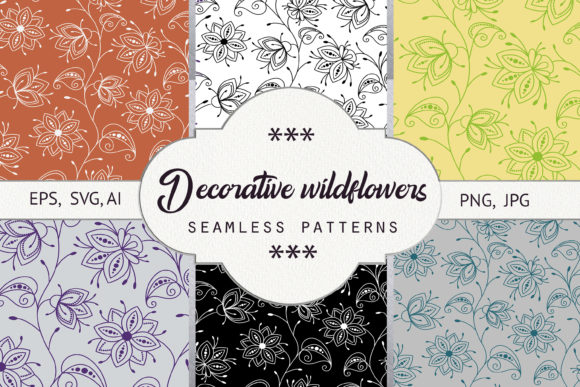
Decorative Wildflowers: The Beauty of Seamless Patterns in Design
Decorative wildflowers have long been a source of inspiration for artists, designers, and crafters. Their natural elegance and vibrant colors make them perfect for a wide range of creative applications. When combined with seamless patterns, these wildflower designs become even more versatile, offering endless possibilities for use in gift packaging, wallpaper, fabric design, and more. In this article, we’ll explore the world of decorative wildflowers through the lens of seamless patterns, focusing on the various file formats available—EPS, JPEG, PNG, and SVG—and how they can enhance your creative projects.
The Role of Decorative Wildflowers in Modern Design
Wildflowers are not just beautiful—they are symbolic of freedom, growth, and natural beauty. Incorporating them into design work allows for a connection to nature while maintaining a sense of style and sophistication. Whether you're designing a greeting card, wrapping paper, or a textile pattern, the right wildflower motif can elevate your project from simple to stunning.
Seamless patterns play a crucial role in ensuring that the design flows smoothly without any visible breaks or edges. This is especially important when working with materials like fabric or wallpaper, where a repeating pattern needs to look continuous across large surfaces. Decorative wildflowers, when rendered as seamless patterns, provide a natural and elegant solution that works well in both traditional and modern settings.
Choosing the Right File Format for Your Project
When working with decorative wildflowers in seamless patterns, it's essential to choose the right file format based on your specific needs. Each format has its own strengths and is best suited for different types of design work:
- EPS (Encapsulated PostScript): Ideal for high-quality print work, EPS files maintain crisp lines and sharp details, making them perfect for professional-grade printing.
- JPEG: Great for web use and digital displays, JPEG files offer good quality at smaller file sizes, though they do not support transparency.
- PNG: Offers lossless compression and supports transparency, making it an excellent choice for digital graphics that need to be layered over other images or backgrounds.
- SVG (Scalable Vector Graphics): Perfect for scalable designs, SVG files are resolution-independent and can be resized without losing quality, making them ideal for both web and print.
By having access to all these formats, designers can ensure their wildflower patterns are adaptable to a variety of uses, from digital illustrations to physical prints.
Exploring Different Background Options for Seamless Patterns
The background of a seamless pattern can significantly affect its overall appearance and usability. Here are some popular options that pair beautifully with decorative wildflowers:
- White Isolated Background: A clean, white background allows the wildflowers to stand out, making them ideal for minimalist designs or when used as standalone elements in a larger composition.
- Black Background with White Outline: This contrast creates a bold and striking visual effect, suitable for dark-themed designs or as a statement piece in graphic design projects.
- Brick Background with White Outline: Combining wildflowers with a brick texture adds depth and dimension, making it a great option for interior design or wall art.
- Blue Background with Purple Outline: This color combination offers a calming yet vibrant feel, perfect for children’s rooms, branding materials, or creative stationery.
- Gray Background with Green Outline: A muted gray background paired with green outlines gives a modern and sophisticated look, often used in corporate branding or high-end product packaging.
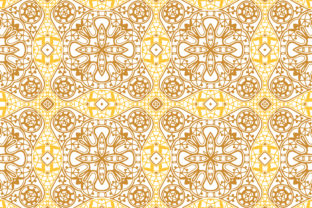
- Yellow Ochre Background with Green Outline: This warm and earthy palette evokes a sense of nature and comfort, making it ideal for eco-friendly products, wellness-related items, or rustic-style interiors.
Each of these background options provides a unique aesthetic that can be tailored to match the theme or mood of your project. By selecting the right combination, you can create a seamless pattern that not only looks beautiful but also serves a functional purpose in your design.
Practical Uses of Decorative Wildflower Seamless Patterns
Decorative wildflower seamless patterns are incredibly versatile and can be applied in numerous ways. Here are some practical examples of how they can be used:
- Gift Packaging: Adding a wildflower pattern to gift boxes or wrapping paper can make your presents more appealing and memorable. These patterns add a touch of nature and charm, making your gifts stand out.
- Wallpaper: Seamless wildflower patterns can transform a room by adding a natural, floral ambiance. They can be used in living rooms, bedrooms, or even commercial spaces to create a welcoming atmosphere.
- Fabric Design: From clothing to home textiles, wildflower patterns bring a sense of warmth and elegance to fabrics. They can be used in quilts, curtains, or upholstery to add visual interest.
- Digital Art and Illustration: For digital artists, seamless wildflower patterns can serve as a backdrop or element within a larger composition. They can be easily manipulated and layered to suit various artistic styles.
These applications highlight the adaptability of decorative wildflowers in seamless patterns and their ability to enhance a wide range of creative projects.
Considerations for Using Decorative Wildflower Seamless Patterns
While decorative wildflower seamless patterns offer many benefits, there are a few considerations to keep in mind before using them in your projects:
Resolution and Quality: All images provided are high-resolution (300 dpi) and in RGB color, ensuring they look sharp and vibrant on both digital and printed media. This makes them suitable for professional use, whether you're creating a poster, brochure, or website banner.
Licensing and Usage Rights: It's important to check the licensing terms for each pattern to ensure you have the right to use it in your intended application. Some patterns may be restricted to personal use only, while others may allow commercial use under certain conditions.
Compatibility with Software: Depending on the software you're using, certain file formats may be more compatible than others. For example, if you're working in Adobe Illustrator, EPS and AI files will be the most useful, whereas SVG files are better suited for web-based design tools.
Color Matching: When using wildflower patterns on different backgrounds, it's important to ensure that the colors complement each other. Using tools like color pickers or online palettes can help you find the right color combinations for your project.
By keeping these considerations in mind, you can make the most of decorative wildflower seamless patterns and create designs that are both visually appealing and functionally sound.
Whether you're a designer, artist, or hobbyist, the world of decorative wildflowers in seamless patterns offers endless opportunities for creativity. With the right tools, knowledge, and imagination, you can bring these natural beauties to life in your own unique way.